
Learn About Phage Display
Get nerdy with us and learn more about phage display technology, its applications, and the newest developments in peptide and antibody discovery.
Overview
WE LOVE PHAGE DISPLAY
Phage display is a powerful molecular biology technique that enables the identification of peptides, proteins, and antibodies that bind to specific targets with high affinity and selectivity. First developed by George Smith at the University of Missouri — work that earned him the 2018 Nobel Prize in Chemistry — phage display has become a cornerstone of modern drug discovery.
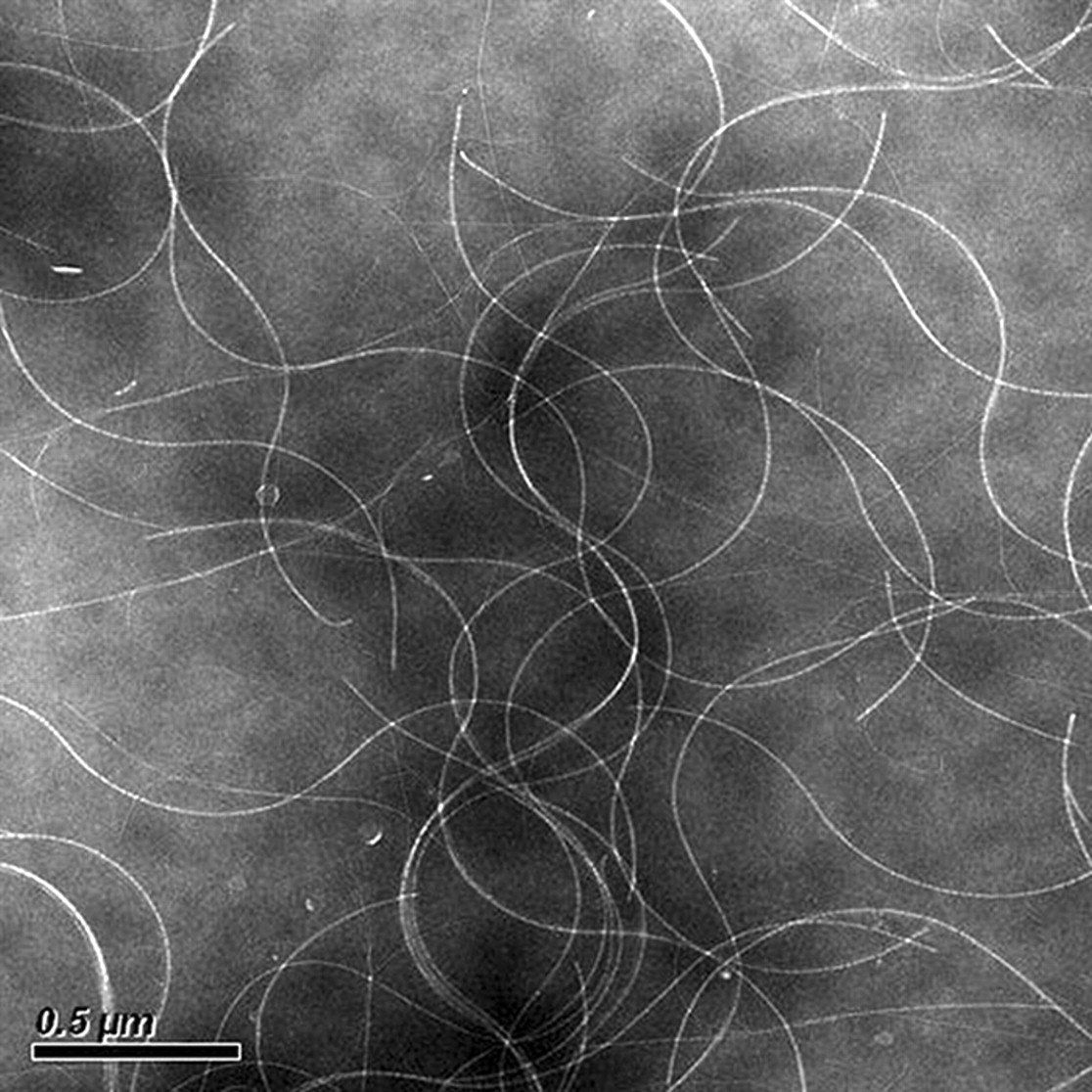
The technology works by displaying peptide or protein sequences on the surface of bacteriophage particles, creating libraries of billions of unique variants. These libraries can then be screened against virtually any target through a process called biopanning, rapidly identifying the sequences with the highest binding affinity.
How It Works
A gene encoding the peptide or protein of interest is fused to a bacteriophage coat protein gene. When the phage replicates, it displays the encoded peptide on its surface. By incubating a diverse library of phage with an immobilized target, washing away non-binders, and eluting specific binders, researchers can enrich for high-affinity sequences over multiple rounds of selection.
Applications
Phage display is used across a wide range of applications including therapeutic peptide and antibody discovery, target validation, epitope mapping, protein engineering, and the development of diagnostic reagents.
Complete page context
We love phage display!
Get nerdy with us and learn more about phage display technology, its applications, and newest developments.
George Smith: Nobel Lecture in Chemistry 2018
Dr. George Smith created phage display technology in 1985 at the University of Missouri. He was awarded the Nobel Prize in chemistry in 2018 for his work. Watch his Nobel lecture "Phage Display: Simple Evolution in a Petri Dish" to learn more about his impactful research.
George Smith: Nobel Lecture in Chemistry 2018 (Publication)
Read George Smith's Nobel Lecture
George Smith describes the history of phage display and highlights some of the most important advances within the technology. Including two publications by the scientists at Cell Origins.
Nobel Prize in Chemistry 2018 (Popular Description)
Learn more about how phage display was created
A popular description in layman's terms of the technology.
Nobel Prize in Chemistry (2018) Scientific Description
Learn about the origins of phage display
A scientific description of phage display technology written for scientists.