SERVICES
PREMADE PHAGE DISPLAY LIBRARIES
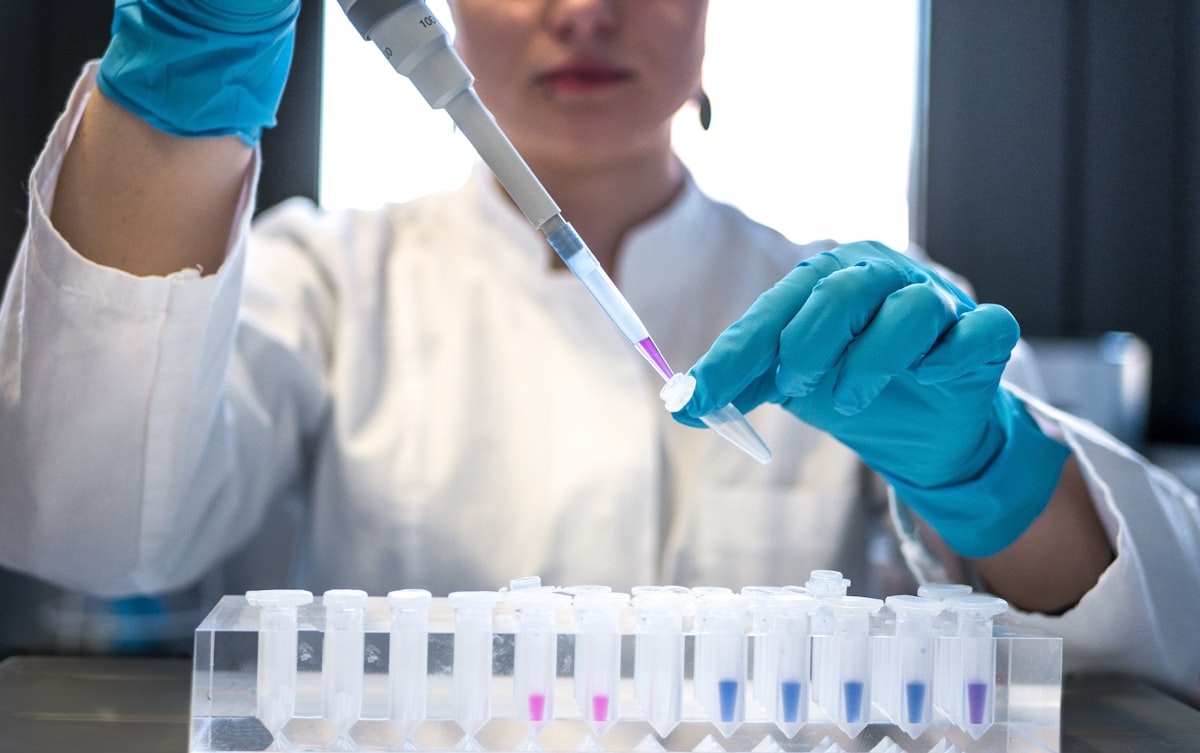
At Cell Origins, we understand that peptide and antibody discovery can be a challenge. To help overcome these challenges, we are dedicated to providing high-quality phage display libraries that are rigorously controlled to obtain the lowest rate of stop codons and other unintended sequences.
THE POWER OF PHAGE DISPLAY
Phage display technology continues to play an important role in the selection and identification of peptides, monoclonal antibodies, and antibody fragments that exhibit binding affinity to specific target antigens. The technology is widely employed in the pharmaceutical industry, in which it facilitates the development of novel drugs, including peptide ligands and antibodies that target disease biomarkers. Furthermore, it is instrumental in immunology research, enabling comprehensive studies of antibody-antigen interactions.
Phage Display Using Bacteriophage Vectors
The bacteriophage vectors encode a modified version of the full phage genome that contains an antibiotic selection gene, as well as a recombinant gene encoding the foreign peptide or antibody fused to one of the coat proteins. The large size of antibodies and antibody fragments impairs the infection of E. coli and thus often leaves bacteriophage vectors unsuitable for the display of this type of ligands. However, bacteriophage vectors have been used successfully numerous times for peptide phage display on various coat proteins. Bacteriophage vectors do not require the use of helper phages for the propagation of viral particles since the phage genome contains all of the necessary genes for replication.

PREMADE PHAGE DISPLAY LIBRARIES
BACTERIOPHAGE PEPTIDE LIBRARIES
Linear Peptide Libraries
Cyclic Peptide Libraries
INFO
The fUSE5 and f88-4 phage display libraries distributed by Cell Origins are the original libraries created by Dr. George Smith. The diversity of these libraries have not been verified by next-generation sequencing. The diversity of each library is referenced from the original research articles.
The f3TR1 phage display libraries are built from the original f3TR1 vector created by Dr. George Smith. These libraries are constructed by Cell Origins and are rigorously controlled to obtain the lowest rate of stop codons and other unintended sequences. These libraries exhibit a guaranteed sequence diversity >10^10 and are accompanied by a certificate of analysis.
LINEAR & CYCLIC PEPTIDES
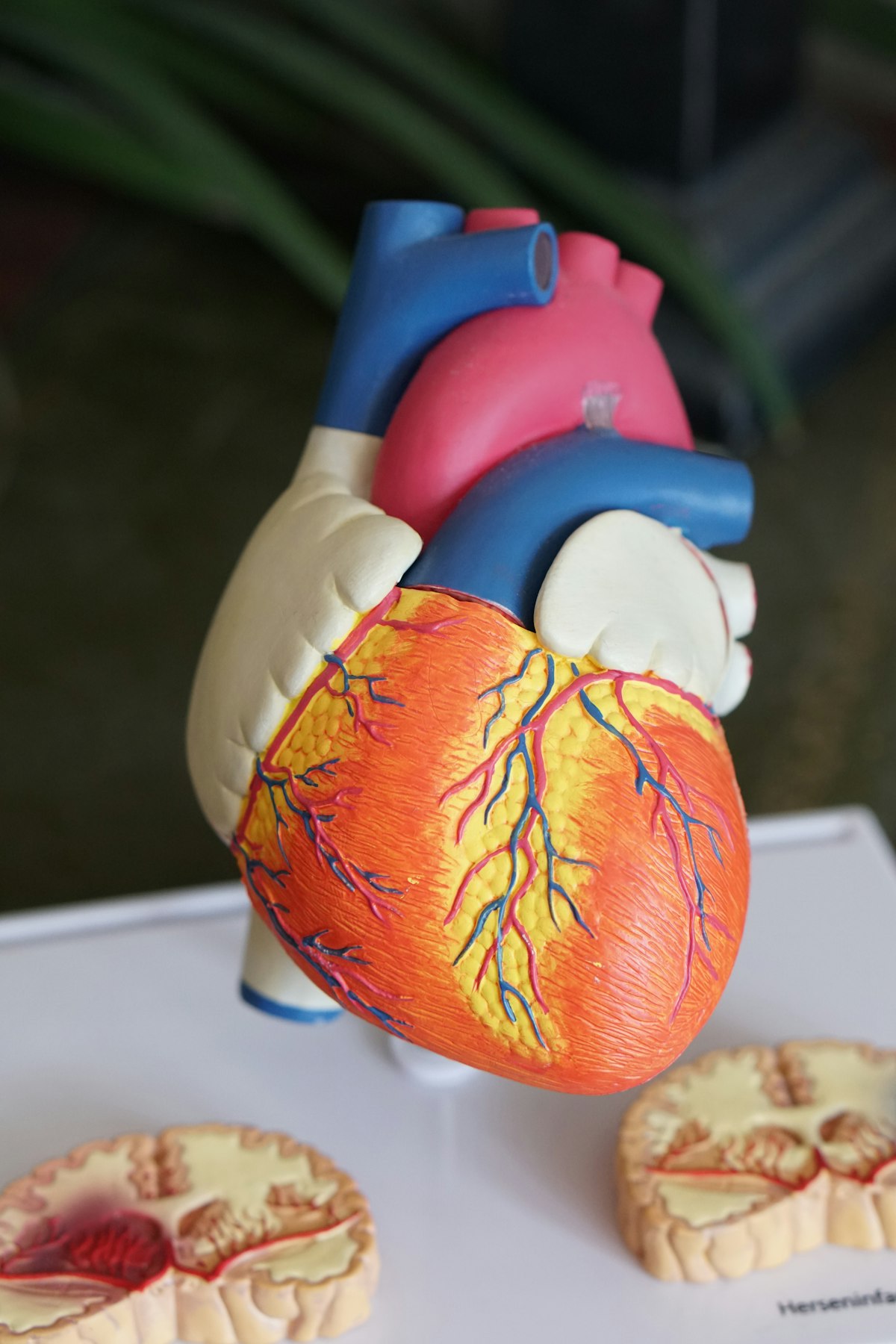
Peptides are a powerful and versatile tool offering a wide range of therapeutic and diagnostic applications. In fact, numerous peptides have successfully been used as targeting agents of various biomarkers to treat and image disease. Cyclic peptides are increasingly being used as therapeutic agents. The cyclic structure reduces peptide degradation and often results in improved binding affinity due to increased structural rigidity. Cyclic peptide libraries are thus an invaluable resource in drug discovery research.
The Success of Linear Peptides
Both linear and cyclic peptide sequences can be selected using phage display technology and each has its distinct advantages and disadvantages. Linear phage display peptide libraries have been available for decades and are typically cheaper compared to their cyclic counterparts. Additionally, the synthesis of soluble linear peptides is most often easier and more cost-effective, making them a more convenient option for researchers. However, they can have limited bioavailability due to their rapid degradation in the body, which can limit their efficacy as a drug unless they are substantially modified.
FULL-LENGTH ANTIBODIES & ANTIBODY FRAGMENTS
Hybridoma technology has traditionally been used to develop monoclonal antibodies. However, phage display technology has in recent years accelerated drug discovery by assembling large Ig gene repertoires into full-length antibody libraries.
The development of antibody fragments (variable domain; Fv, single-chain variable domain; scFv, diabodies; bivalent scFvs, fragment antigen binding; Fab, and heavy-domain camelid, alpaca, llama, or shark antibody VHH fragments; nanobodies) have further advanced phage display as these are more amenable to expression compared to full-length antibodies.
Phage display libraries can be constructed from naïve or immunized donors, or designed synthetically by randomization of the complementarity-determining regions (CDR). Naïve antibody libraries typically exhibit high diversity, while libraries based on immunized donors can lead to accelerated discovery of high-affinity antibodies.
We currently do not offer premade antibody phage display libraries. However, at Cell Origins, we work with you to build a customized peptide or antibody phage display library that meets your specific goals.
RELATED SERVICES
PUBLISHED WORK
+
LET'S GET STARTED!
At Cell Origins, we closely collaborate with you to create a personalized peptide or antibody phage display library tailored to your unique objectives.
LET'S TALK